On-Device Visual Inference for Intelligent Camera Products
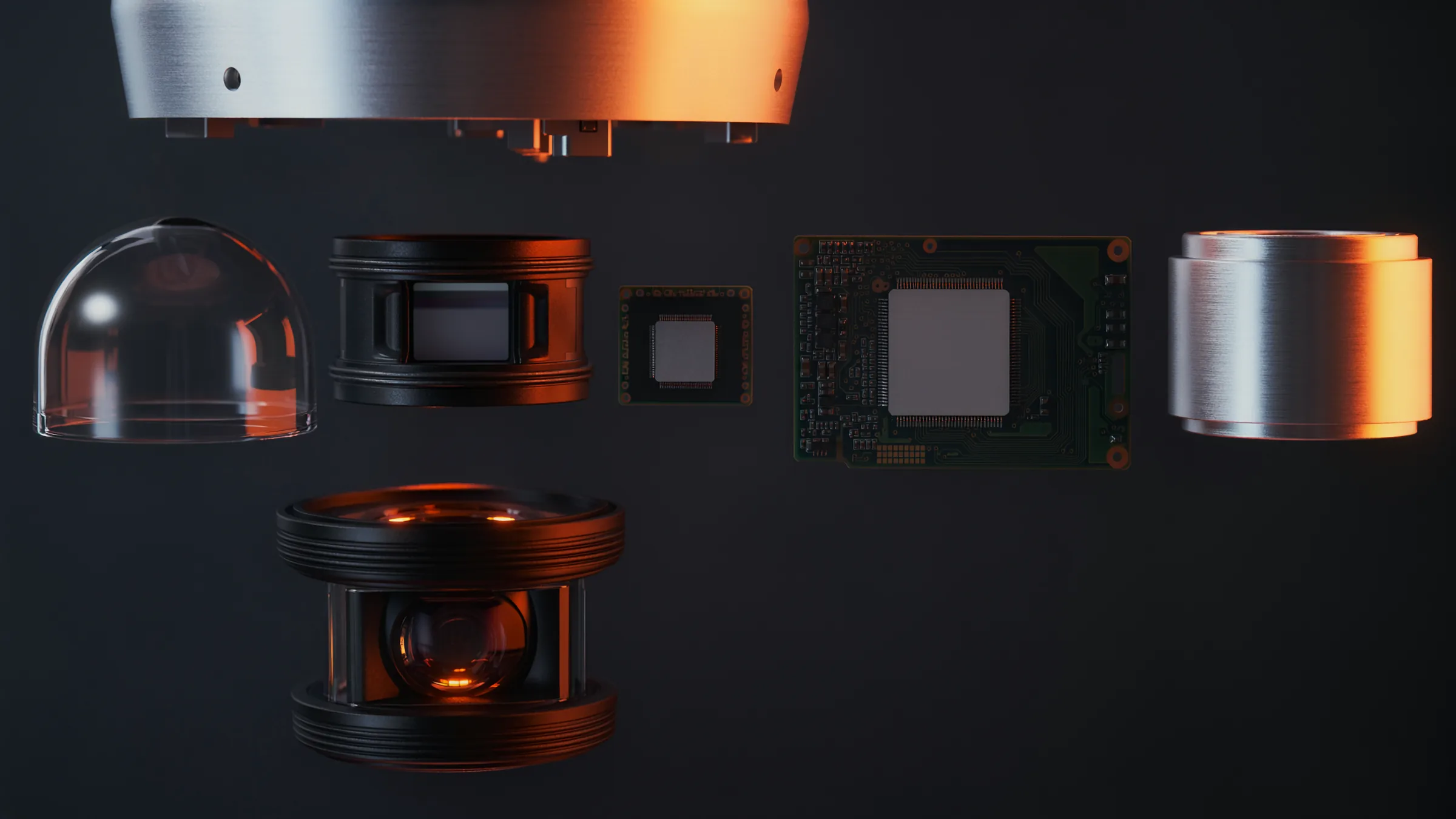
On-device vision and vision-language models built into cameras and recorders — engineered to fit power, heat and bandwidth limits.
Executive summary
Camera makers need AI features without cloud cost or a blown power budget.
The capture-to-inference pipeline on measured, right-sized silicon.
Vision-language models for open-vocabulary detection and split edge/cloud inference.
Differentiated products, lower bandwidth cost and privacy by default.
System architecture
- L001
Image sensor
- L102
ISP / media pipeline
- L103
NPU / FPGA runtime
- L304
Optimized model
- L405
Event metadata API
The business problem
Camera and recorder makers need AI features to stay competitive, but every option has a cost: cloud analytics consume bandwidth and raise privacy concerns, while on-device AI collides with power, thermal and bill-of-materials limits. Choosing wrongly is expensive to undo after launch.
What Ingot builds
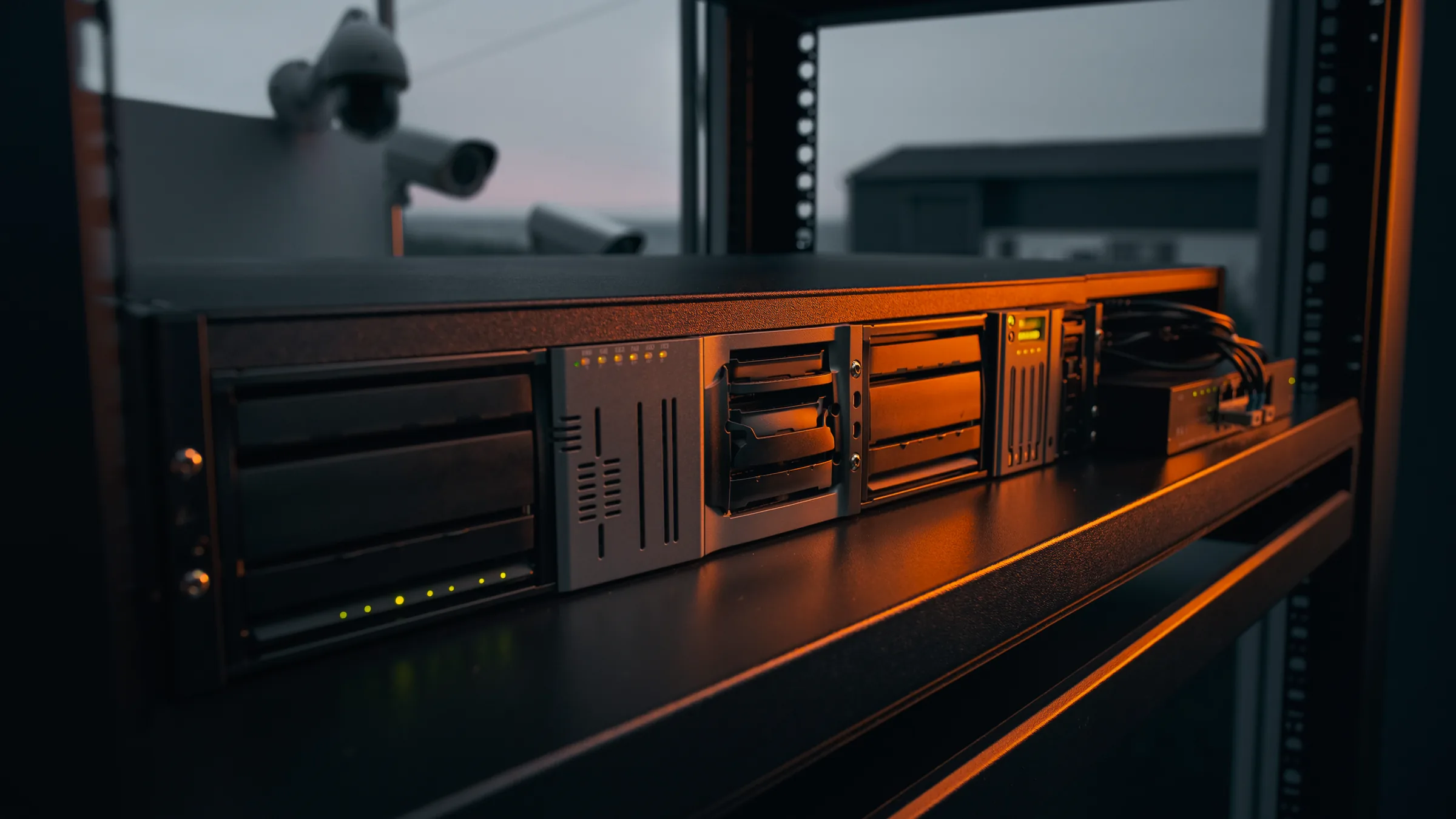
Ingot answers the first question — where should inference run: camera, recorder or server? — with measurements, not assumptions. It then builds the capture-to-inference pipeline on the chosen silicon, including compact vision-language models that detect new categories from a text description ("person carrying a ladder") without retraining, and split inference that keeps routine work on the device and sends only hard cases upstream.
Under the hood
Candidate SoC/NPU or FPGA options are benchmarked on representative imagery. The sensor driver, ISP and media pipeline are built on an embedded OS; models are quantized and accelerated for the target; event metadata is published through an API while video is stored or forwarded by policy. Secure firmware updates and device telemetry keep the fleet maintainable.
What you gain
Products differentiated by on-device AI, new detections delivered by software update, lower bandwidth and cloud cost, and footage kept private by default.
How we'd start
A compute-selection study with benchmark results, then a working prototype on your hardware, then production hardening with an evaluation harness for every future model update.
What an engagement delivers
- Compute selection and benchmark report
- Capture-to-inference pipeline
- Optimized vision and VLM packages
- Event API and evaluation harness
What this blueprint builds on
Builds on the platform bring-up, media and accelerator engineering in studies 03 and 05.

Discuss a comparable vision AI program.
We will scope it around your systems, data and constraints — starting from this architecture or from a blank page.