AI-Assisted Industrial Quality Inspection Station
Few-shot AI inspection at line speed — new products inspected in days, with every decision traceable.

Executive summary
Manual inspection is slow and inconsistent; escapes and false rejects cost money.
An AI inspection station: optics, lighting, compute and model.
Few-shot defect learning, synthetic defect generation and active learning with operators.
Fewer escapes and false rejects, faster new-product introduction.
System architecture
- L001
Trigger sensor
- L002
Camera + lighting
- L003
Edge AI compute
- L304
Classify / segment
- L105
Reject interface
- L206
Image provenance
- L407
Quality dashboard
The business problem
Manual inspection is inconsistent and slow, and every escaped defect or false reject costs money. Quality teams need inspection that keeps pace with the line, records every decision, and still lets operators make the difficult calls.
What Ingot builds
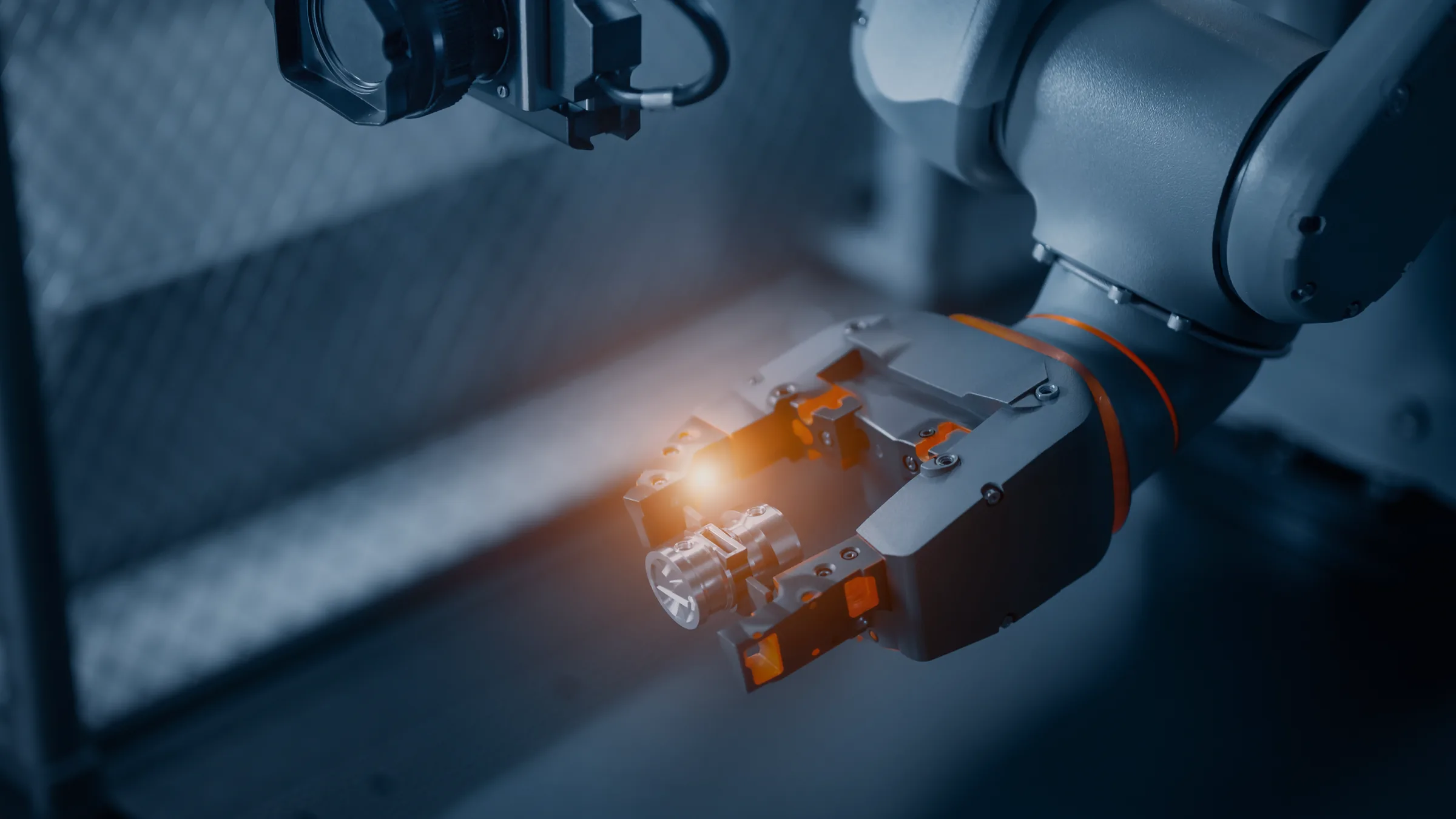
Ingot designs an AI inspection station that screens every part at line speed. Few-shot defect learning and synthetic defect generation mean new products can be inspected within days rather than months; an active-learning loop turns operator decisions on uncertain parts into better models.
Under the hood
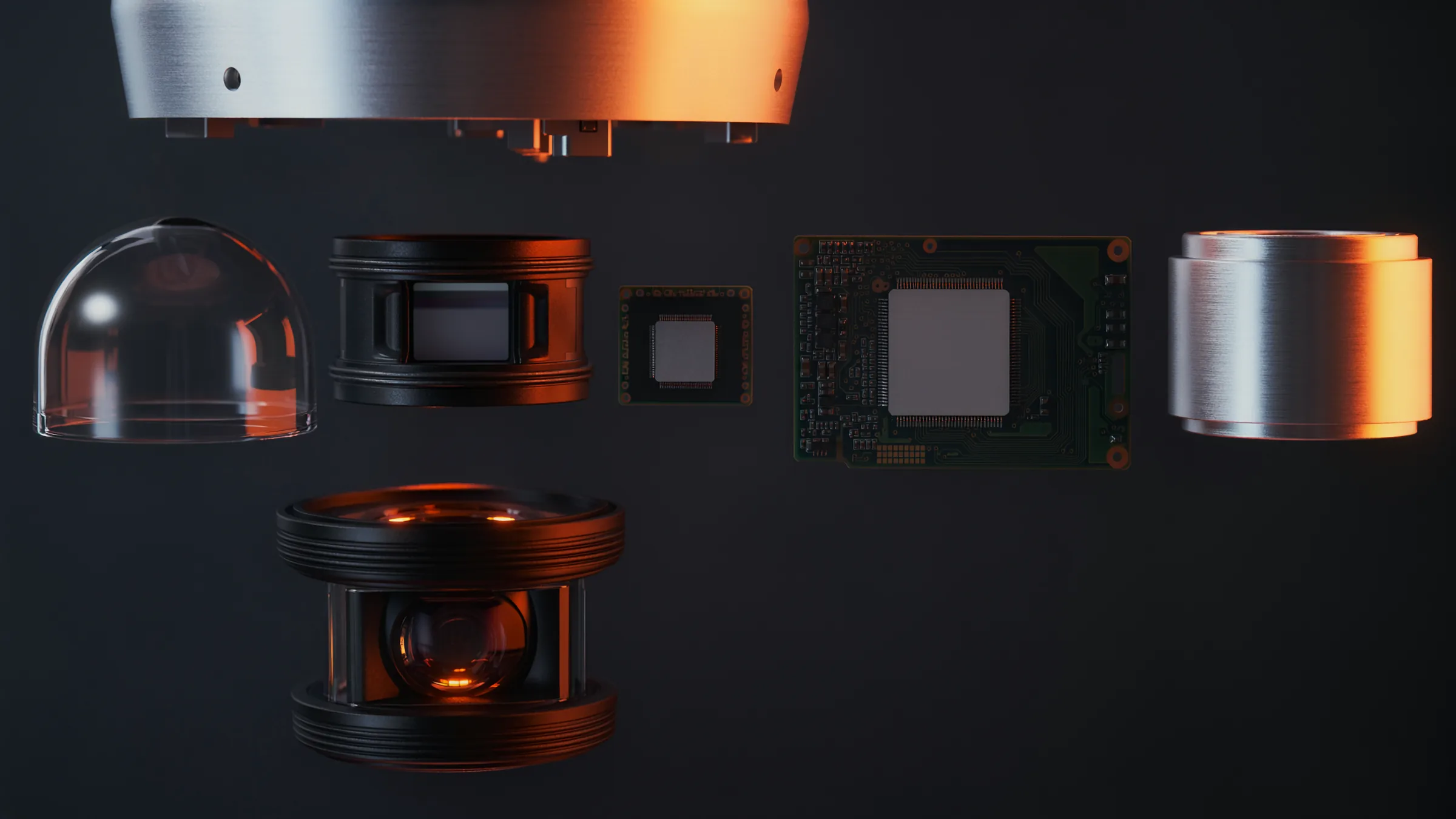
Lens, lighting, frame timing, triggering, enclosure and network are specified before inference hardware is chosen. A defect taxonomy drives training; confidence is calibrated and kept separate from the acceptance policy you control. Software covers line-event correlation, lot and serial traceability, reinspection, operator feedback and controlled model updates.
What you gain
Fewer escaped defects and false rejects, consistent inspection across shifts, faster new-product introduction and complete traceability.
How we'd start
An optics and imaging study on real parts, then a pilot station with agreed acceptance criteria, then line rollout and a production validation plan.
What an engagement delivers
- Optical and compute architecture
- Dataset and synthetic-data plan
- Pilot acceptance criteria
- Inference interface
- Operator and active-learning interface
- Production validation plan
What this blueprint builds on
Builds on the imaging, peripheral integration and embedded engineering in studies 03 and 05.
Discuss a comparable vision AI program.
We will scope it around your systems, data and constraints — starting from this architecture or from a blank page.